
If you are an accountant performing your own practice, you already know how important it is to have a constant flow of customers. In today’s world, your next customer is almost seeking online help – and if your business is not appearing in the results of research mechanisms, you will be losing.
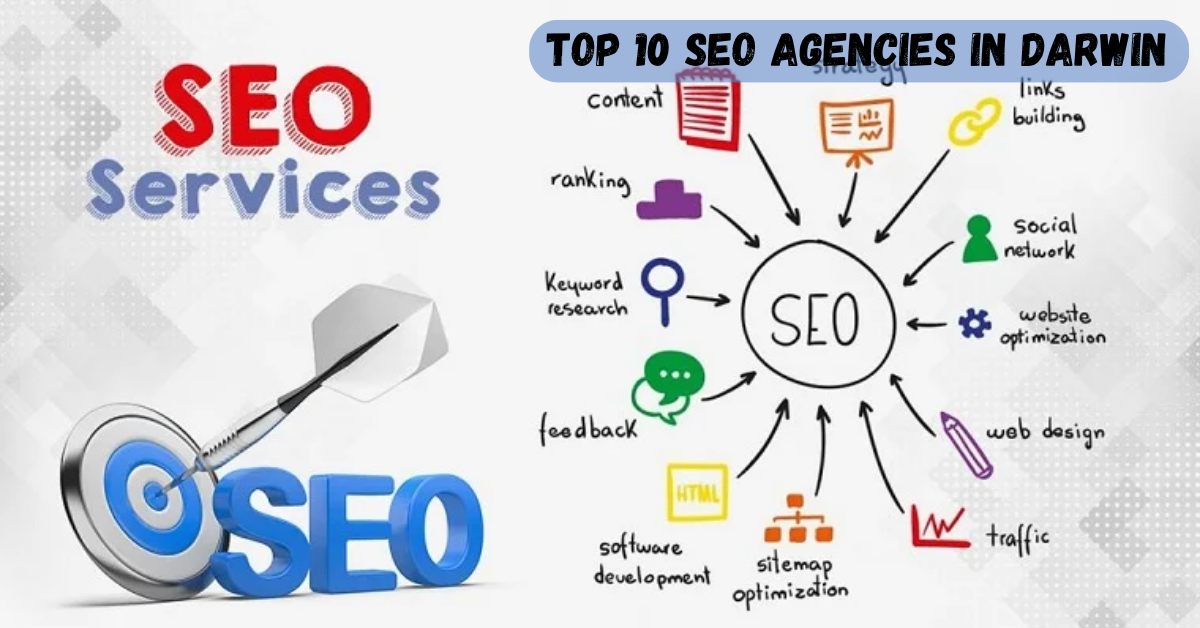
This is where the SEO or the optimization of research mechanisms comes in. Think of SEO as a digital hand grip: helps your site appear when people are looking for accounting services in your area, making sure you find it instead of your competitors.
Let’s divide everything you need to know about SEO for accountants and how you can use it to attract more customers.
1. Start with the Right Keywords
SEO begins with understanding what your potential customers are typing on Google when they need an accountant. These research terms are called “chave words”.
For example, think about what someone can look for:
- “Accountant near me”
- “Fiscal aid for small businesses”
- “Tax accountant in [your city]”
These are great starting points. Use Google Free Word Planner or other tools like Ubersgugest to see how often these sentences are searched in your area.
Professional Tip: Include specific services such as “Accounting”, “Tax Preparation” or “CFO Services”, along with your location. This helps capture local customers who need these services.
2. Optimize Your Website Pages
Once you have your words -chave, it’s time to add them to your site -but naturally! Here is as:
- Page Titles: Each page of your site must have an exclusive title with relevant words. For example, “Accounting for Small Business in Chicago | ABC Accounting Company”.
- Meta Descriptions: This is the short summary that appears in the title of your page on Google. It should also include its main words -chave and encourage people to click.
- Chief: Use titles (H1, H2, H3) on your pages to organize your content. Research mechanisms look at them to better understand their content.
- Contents: Make sure your pages explain what you do, who you help and why someone should choose it. Use your words -chave naturally – don’t put them awkwardly!
3. Create Helpful Content
Google loves new and useful content – and its customers too! This is where the blog posts comes in.
For example, you can write:
- “5 main tax deductions for freelancers in 2025”
- “How to choose the right counter for your startup”
- “What small businesses should know about payroll taxes”
Write blog posts as these positions as an expert and helps the site classify more research terms. In addition, he answers real questions that potential customers have – so when they find their blog, they are already seeing you as a trusted consultant.
Tip: Aim for at least one new blog post per month. Consistency is key!
4. Make Your Website User-Friendly
SEO is not just about -chave words; It is also about user experience. If your site is slow, disordered or hard to browse, people will leave – and on Google warn.
See how to make your site more attractive:
- Quick loading: Use a good host on the web and compress your images so that your pages load quickly.
- Mobile Favor: More than half of web searches come from smartphones. Make sure your site looks great on a phone or tablet.
- Navigation Clara: Organize your site so visitors can easily find what they are looking for. If they are frustrated, they leave!
5. Claim and Optimize Your Google Business Profile
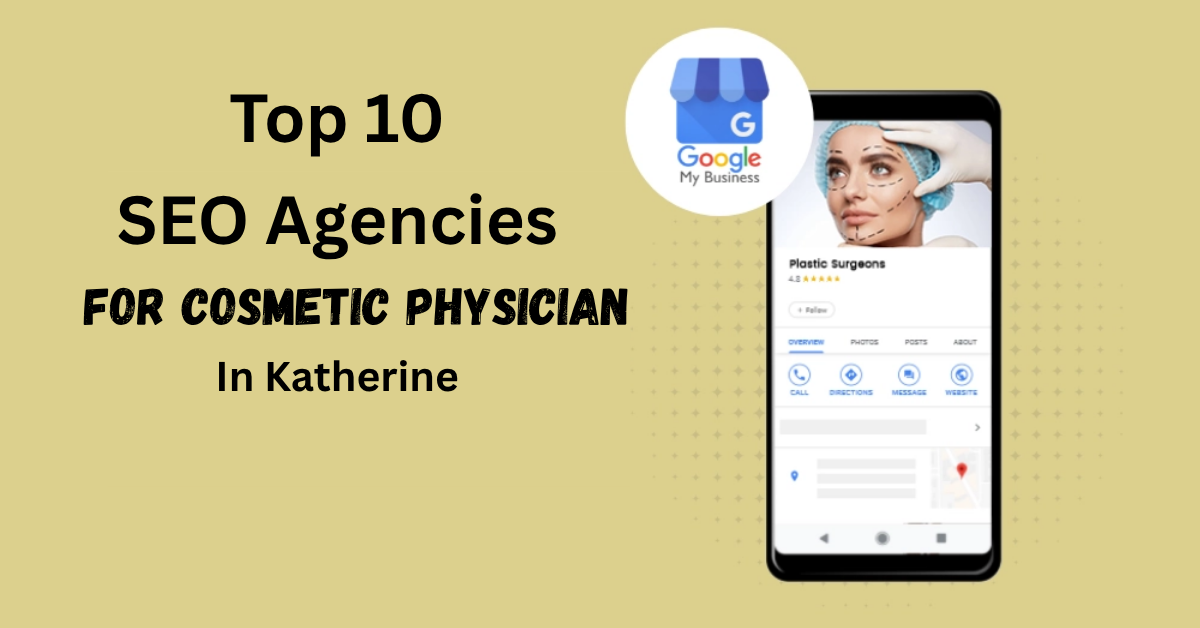
If you do only one thing for the local SEO, that’s it. Your Google business profile (previously called Google My Business) is what appears in local searches and Google Maps.
To claim yours:
- Go to Google Business Profile (google.com/business).
- Follow the prompts to claim or create your listing.
- Fill out every section with accurate information — your address, phone number, hours, and website.
Add photos of your office, your team, or even you in action. And don’t forget to collect and respond to reviews! Positive reviews can boost your local ranking and convince potential clients to choose you.
6. Get Listed in Online Directories
Beyond Google, there are other online directories where people might find accountants. Examples include:
- Yelp
- Local Chamber of Commerce directories
- Industry-specific directories for accountants
Make sure your information (name, address, phone number, website) is consistent on these sites. This consistency helps create confidence with research mechanisms.
7. Build Backlinks
Backlinks are links from other websites that point to your site. Google sees them as votes of confidence. The more high-quality backlinks you have, the better your SEO.
Here are some ways to build them:
- Guest posts: Write articles for other websites in your industry or local community.
- Partnership with local companies: If you work with other professionals such as lawyers or financial planners, make sure they will be linked to your site.
- Be mentioned in the news: If you do something interesting (such as a local workshop), share it with the local newspaper or the business blog.
8. Track Your Progress
SEO is not a unique thing in progress. You want to follow how your efforts are working. Here is what to do:
- Configure Google Analytics: This free tool shows how many people visit your site, how they find it and which pages they view.
- Check Google Search Console: This free tool helps you see which words -Chave people use to find your site and if Google comes a problem with it.
- Adjust as needed: If you realize that certain blog topics get more views, write more about these subjects. If a page is not performing well, adjust the words -chau or improve the content.
9. Stay Up to Date
SEO is always changing. Google updates its algorithms often, and what worked last year might not work today. Keep learning! Subscribe to SEO newsletters or blogs, and make small updates to your website regularly.
10. Consider Hiring Help
If you’re busy serving your clients and don’t have time for all this, consider hiring an SEO professional or agency. They can help you:
- Do a full SEO audit of your site.
- Create a keyword strategy.
- Build backlinks.
- Monitor your performance.
This can be a worthwhile investment if it helps bring in more clients and lets you focus on your accounting work.
Conclusion: Attracting More Clients with SEO
The seo may seem overwhelming, but it doesn’t have to be. Start small: claim your Google business profile, choose some good words -chave and add them to your site. Over time, continue building useful content and improving your site’s user experience.
Remember that potential customers are already looking for counters like you. SEO helps to ensure that they find it instead of their competitors. With some effort, you will see more traffic, more called and more customers walking around your door – exactly what you need to increase your practice.